A Informative Breakdown of the best fillet knife for saltwater fish
Open the Secrets of Fish Filleting With a High-Quality Fillet Knife: Tips and Techniques
Fish filleting is an art that needs the right devices and methods. A premium fillet knife is essential for achieving clean cuts and accuracy. Recognizing the makeup of the knife and mastering important methods can elevate one's skills. Several neglect the value of work area prep work and common mistakes that can lead to thrown away fish. This exploration will uncover the subtleties of effective filleting and exactly how to stay clear of pitfalls that impede success.
Comprehending the Composition of a Fillet Blade
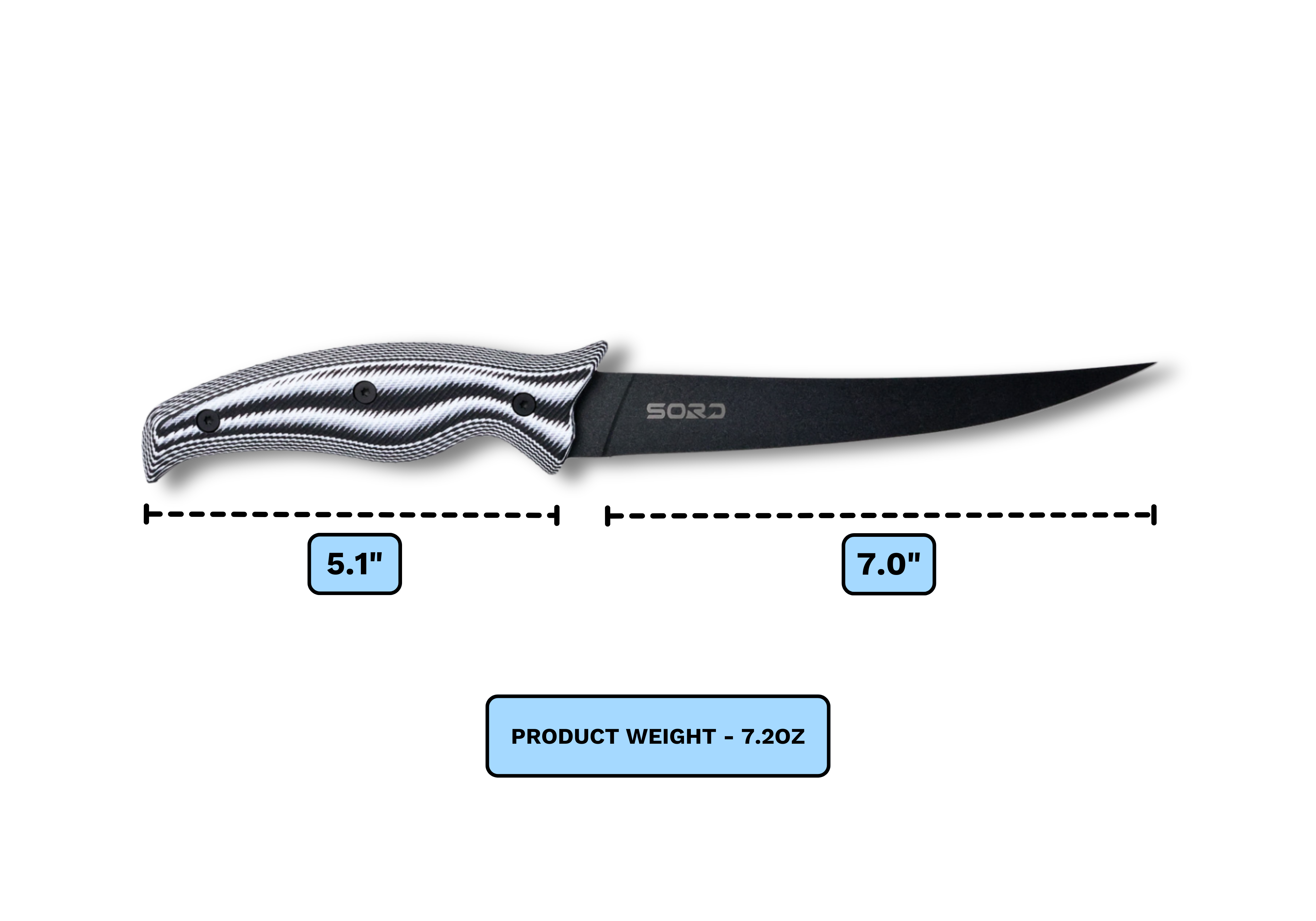
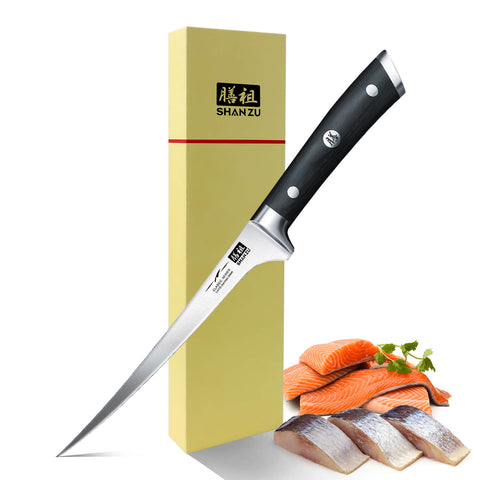
A fillet blade is an important tool for any type of fish fanatic, created especially for the delicate job of removing fillets from the bone. Recognizing its anatomy can substantially enhance an individual's filleting skills. The blade is normally long, thin, and versatile, enabling specific movements along the fish's back and ribs - best fillet knife for saltwater fish. The sharp edge is critical for tidy cuts that decrease waste and maintain the quality of the meat
The take care of, frequently ergonomically created, gives a secure grasp, which is fundamental for control throughout the filleting procedure. It may be made from different products, consisting of timber or synthetic compounds, each offering different levels of comfort and longevity. The bolster, located in between the blade and handle, includes security and balance. On the whole, the cautious design of a fillet blade, from the blade to the manage, plays a crucial role in guaranteeing reliable and efficient fish preparation.
Choosing the Right Fillet Knife for Your Needs
Choosing the suitable fillet knife can greatly influence the effectiveness and high quality of fish preparation. When choosing a fillet blade, a number of aspects need to be considered, consisting of blade versatility, material, and size. A blade typically ranges from 6 to 9 inches, permitting accuracy based upon the dimension of the fish being refined. Adaptability is essential; a more versatile blade makes it possible for elaborate cuts around bones and skin, while a stiffer blade offers better control for bigger fish.
The material of the blade additionally plays a considerable role. Stainless-steel is preferred for its corrosion resistance and ease of maintenance, while high-carbon steel supplies superior intensity yet calls for much more care to avoid rust. Take care of convenience and grasp are just as crucial, as a safe hold is necessary for safety and security and accuracy during filleting tasks. By taking these factors right into account, one can choose a fillet knife that fulfills their certain needs and improves their fish prep work experience.
Important Fish Filleting Strategies
Comprehending important fish filleting techniques is essential for accomplishing accurate and tidy cuts. Appropriate blade hold plays a significant function in control and safety and security throughout the filleting process. In addition, grasping the step-by-step process can boost effectiveness and results, ensuring a high-grade fillet.
Proper Blade Grip
Understanding the proper blade grip is a fundamental ability in fish filleting that can significantly boost precision and control. A firm yet comfortable grip permits the individual to direct the blade efficiently along the fish's body. One of the most effective hold entails holding the take care of with the leading hand while pinching the blade's spine with the thumb and forefinger for included security. This method offers enhanced control throughout intricate cuts. The non-dominant hand ought to be used to safeguard the fish, guaranteeing it remains constant throughout the process. Proper grasp not just enhances accuracy but also minimizes the threat of mishaps. By concentrating on these vital facets, filleting becomes a more efficient and satisfying task, leading to far better results.
Filleting Process Steps
With a proper knife grasp developed, the next action in the fish filleting process involves a series of specific techniques that guarantee clean and reliable cuts. Initially, the fish must be positioned on a steady cutting board, belly side up. The fillet blade is after that inserted behind the gills, reducing down toward the foundation. A smooth, sweeping activity along the back separates the flesh from the bone. Mindful attention is paid to the rib cage, making sure all flesh is gotten rid of. Once one side is full, the fish is flipped to repeat the procedure beyond. Ultimately, any kind of remaining bones or skin are cut away, producing attractive and clean fillets all set for food preparation.
Preparing Your Work Area for Filleting
Preparing a work area for fish filleting is essential for efficiency and safety. An arranged location, geared up with vital devices, guarantees a smooth process while decreasing the danger of accidents. Carrying out appropriate safety and security steps is important to shield both the individual and the work space during this cooking job.
Clean and Organized Location
A organized and tidy office is necessary for effective fish filleting. It lessens distractions and allows for a efficient and smooth procedure. Prior to beginning, the area must be cleared of any type of unneeded things that might hinder the task. A sanitized surface area, ideally made from non-porous material, is perfect for easy cleansing and to avoid cross-contamination. Having all essential devices within arm's reach, such as cutting towels and boards, can enhance performance. In addition, organizing the work area with designated spots for devices and particles disposal helps maintain sanitation and order. This preparation not just cultivates a much safer environment but also boosts focus, allowing filleting techniques to be performed a lot more efficiently and with higher precision.
Essential Tools List
A reliable fish filleting process relies heavily on having the right tools handy. Vital things consist of a top notch fillet blade, which assures accuracy and simplicity when puncturing fish flesh. A sturdy reducing board is crucial for giving a secure surface area and securing kitchen counters. Furthermore, a set of fish pliers aids in getting rid of bones effectively. Having a sharpener neighboring is essential to preserve the knife's side throughout the procedure. A container for scraps keeps the work space tidy. A towel can aid in taking care of unsafe fish and cleaning surface areas. By gathering these tools, one sets the phase for a successful and delightful filleting experience, promoting both efficiency and efficiency.
Correct Precaution
Tips for Preserving Your Fillet Blade
Proper upkeep of a fillet knife is important for ensuring optimal performance and longevity. Regular cleansing after each usage is critical; a straightforward laundry with warm, soapy water followed by detailed drying out prevents corrosion and corrosion. It is recommended to avoid saturating the blade or placing it in a dishwasher, as these techniques can deal with and harm the blade.
Honing the knife regularly is additionally substantial. Developing or using a whetstone pole can aid maintain a sharp edge, which is essential for accuracy filleting. In addition, keeping the blade correctly protects its blade; a blade sheath or magnetic strip is chosen over a cabinet where it may encounter various other utensils.
Lastly, checking the blade frequently for signs of wear or damage assurances that it stays effective and secure. By adhering to these maintenance pointers, individuals can extend the life of their fillet blade and enhance their general fish filleting experience.
Typical Mistakes to Avoid When Filleting Fish
Filleting fish can be a rewarding experience, yet typical mistakes can lead to squandered meat and stress. One frequent error is using a plain blade, which can make specific cuts hard and cause tearing the flesh. In addition, many novice anglers neglect to correctly scale the fish, making it challenging to achieve tidy fillets. Another blunder is not adhering to the all-natural shapes of the fish; cutting against the grain can bring about uneven items and thrown away meat. Failing to get rid of all bones can additionally interfere with the last dish, as diners might come across undesirable shocks. Finally, hurrying with the process can lead to reckless cuts and safety and security dangers. By bearing in mind these common challenges, individuals can boost their filleting technique and guarantee an extra gratifying and reliable experience when preparing fish.
Enhancing Your Fish Recipes With Flavorful Marinades and Seasonings
Seasonings play a vital function too. A sprinkle of sea salt and fresh split pepper can highlight the fundamental tastes of the fish, while flavors such as paprika or cumin can add heat and complexity. Furthermore, incorporating active ingredients like ginger or chili can introduce an interesting kick.
Experimenting with various mixes enables chefs to discover unique tastes that match different fish kinds. Inevitably, the best sauce or flavoring transforms an easy fish recipe into a cooking pleasure, making it remarkable for those who delight.
Frequently Asked Inquiries
Exactly how Do I Sharpen My Fillet Blade in the house?
To hone a fillet blade at home, one can utilize a whetstone or developing rod (fish knife). Keeping a consistent angle while sharpening warranties an effective edge, while routine sharpening keeps the blade in peak problem for filleting
Can I Make Use Of a Fillet Knife for Other Types of Meat?
Yes, a fillet knife can be used for various other sorts of meat, although its layout is optimized for fish. Its versatility and sharpness might assist in specific cuts, yet details meat blades are typically much more reliable.
What's the most effective Way to Clean My Fillet Blade After Usage?
To cleanse a fillet blade after usage, one need to rinse it with warm water, apply moderate soap, carefully scrub the blade with a soft sponge, and completely dry it to stop rust and maintain intensity.
How Usually Should I Replace My Fillet Blade?
A fillet blade needs to be replaced every one to 2 years, depending on usage and upkeep. Normal honing and correct care can expand its life, however indicators of wear show it's time for a substitute.
Are There Details Brands of Fillet Knives Recommended for Beginners?
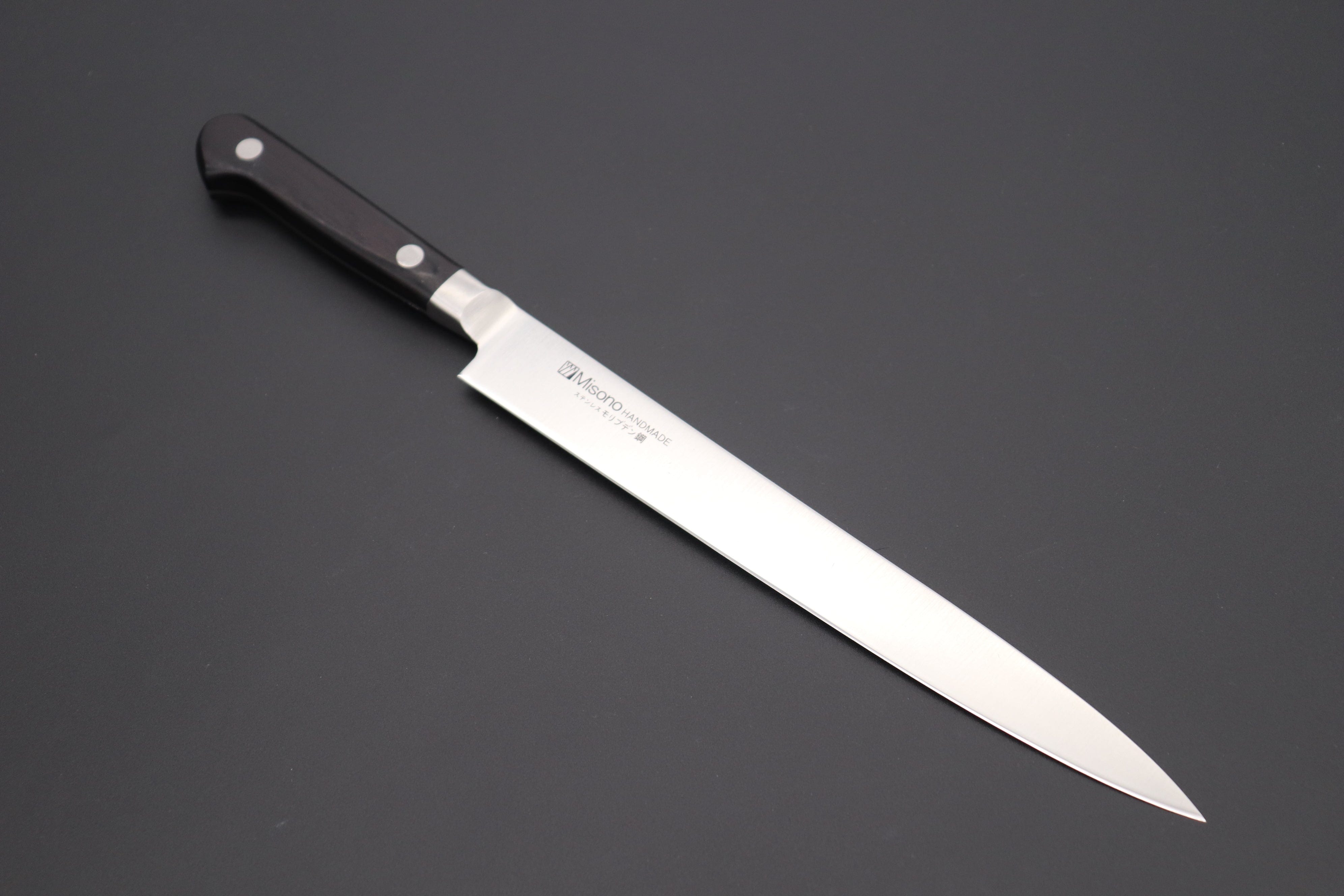
A number of brand names are advised for newbies, consisting of Victorinox, Rapala, and Dexter-Russell. These blades offer a great balance of high quality, cost, and simplicity of usage, making them ideal for those brand-new to fish filleting.
A fillet blade is an essential device for any type of fish lover, created especially for the delicate task of eliminating fillets from the bone. Picking the suitable fillet knife can considerably influence the effectiveness and high quality of fish prep work. Essential products include a high-quality fillet knife, which assures accuracy and simplicity when reducing via fish flesh. Properly securing the fish with a towel or a specialized fish owner can offer extra control. Yes, a fillet blade can be utilized for other types of meat, although its layout is enhanced for fish.